Microsoft May Improve Windows 11 Phone Link to Help Reduce Memory Usage
Microsoft could soon make an important improvement to one of Windows 11's built-in features—one that may also help reduce unnecessary memory usage on many PCs.
Microsoft could soon make an important improvement to one of Windows 11's built-in features—one that may also help reduce unnecessary memory usage on many PCs.
A recent report suggests the company is exploring changes to the Phone Link experience, allowing users to control when the app launches and how deeply it integrates with Windows. While the update isn't directly aimed at boosting performance, it could reduce the number of background processes running on a system, helping free up RAM over time.
Why Phone Link Matters
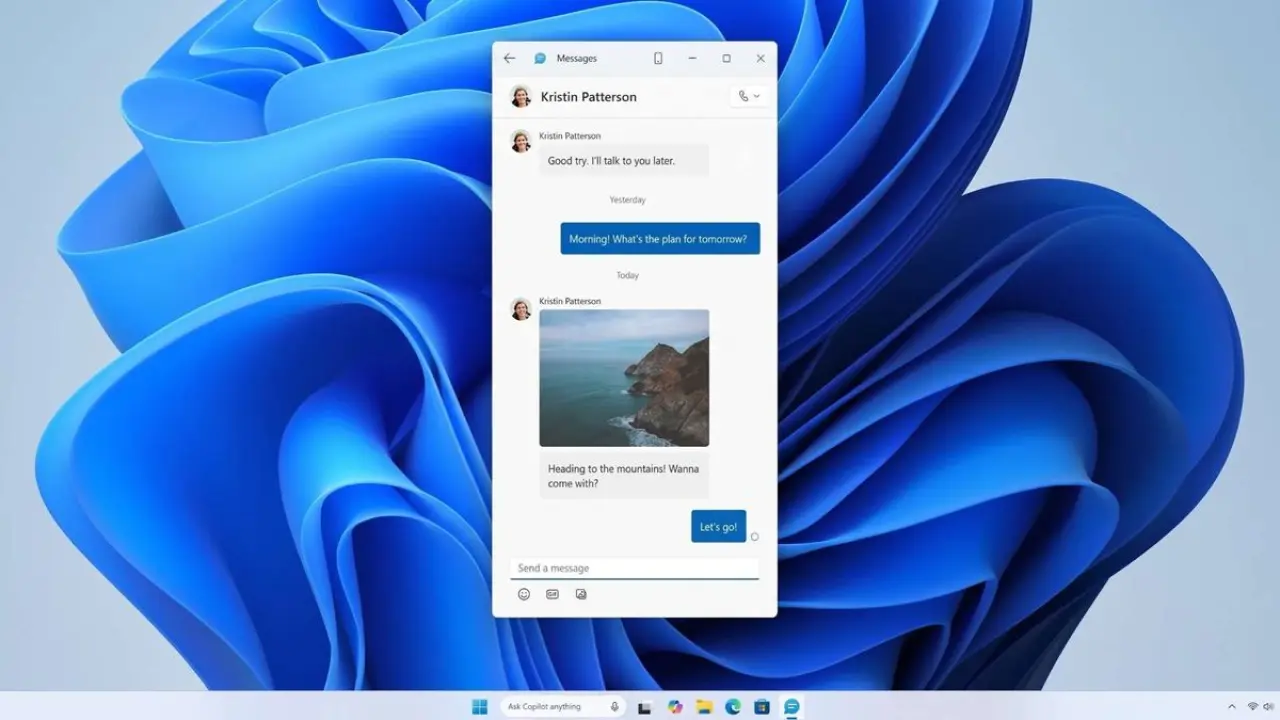
Phone Link has become a core part of Windows 11, giving users the ability to connect their Android or iPhone to their PC. Once connected, the app can display notifications, send and receive text messages, access photos, mirror supported Android devices, and even allow users to make phone calls from their computer.
To provide these features instantly, Phone Link often runs in the background after Windows starts. While this creates a seamless experience for users who rely on the feature every day, it also means memory is continuously being used—even on PCs where Phone Link is rarely or never opened.
More Control Could Mean Better Performance
According to the report, Microsoft could introduce better controls that let users decide how Phone Link behaves.
Instead of automatically running in the background, users may be able to disable automatic startup or limit certain background activities when they don't need the app. This would allow Windows to dedicate more system memory to active applications rather than keeping idle services running.
Although the RAM savings may be modest on modern systems with plenty of memory, the change could be especially beneficial for laptops and entry-level desktops equipped with 8GB of RAM or less, where every gigabyte counts.
Small Changes Can Make a Big Difference
Windows 11 includes several built-in applications that automatically launch background services to deliver notifications, syncing, and cross-device experiences. Individually, these services consume relatively little memory, but together they can gradually increase overall RAM usage.
Giving users greater control over which features stay active could make Windows feel more responsive without requiring any hardware upgrades. It's a practical approach that aligns with Microsoft's broader efforts to improve efficiency across the operating system.
Microsoft Continues to Focus on Performance
Earlier this year, Microsoft announced a series of initiatives aimed at improving Windows 11's overall responsiveness. These include reducing memory usage, accelerating app launches, improving File Explorer performance, and making core Windows experiences feel smoother during everyday use.
Potential improvements to Phone Link fit into that larger strategy by addressing background resource usage rather than introducing new features that consume additional system resources.
Still Under Consideration
Microsoft has not officially confirmed when or if these Phone Link changes will arrive in a future Windows 11 update. The reported improvements are still under discussion, and the company has yet to announce a public rollout timeline.
If implemented, however, the update would give users more flexibility over how Windows manages connected-device features while potentially reducing unnecessary RAM consumption—particularly on systems where every bit of memory matters.